

How To Use Leave-In Conditioner Correctly For Maximum Benefits
June 16, 2026
Item added to your cart


Leave-in conditioner can completely change how your hair looks and feels, but only if you use it the right way.
If your hair still feels dry, frizzy, flat, greasy, or weighed down after using one, chances are it’s not the product, it is the method. The good news is that once you understand how to use a leave-in conditioner, it becomes one of the easiest ways to improve softness, hydration, shine, and manageability.
Whether you have straight, wavy, curly, coily, dry, damaged, or color-treated hair, this guide breaks down exactly how to apply leave-in conditioner for the best results, minimizing buildup or guesswork.
Before learning how to use it, it helps to know what leave-in conditioner does.
A leave-in conditioner is typically a lightweight conditioning product designed to stay in your hair after washing. Unlike regular conditioner, it is not rinsed out. Its job is to keep your hair hydrated, smooth, and protected throughout the day.
Think of it as a daily support layer for your hair, especially if your hair tends to lose moisture quickly.
If you’ve ever wondered how leave-in conditioner works, the answer is simple: it helps your hair hold onto moisture while creating a lightweight protective layer around the strands.
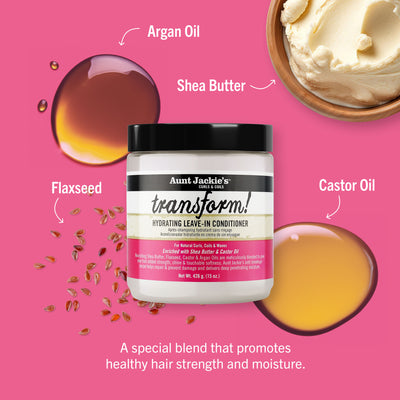
Most leave-in conditioners contain ingredients like:
When applied correctly, it coats the hair shaft lightly, making hair feel smoother, look healthier, and stay easier to manage between washes.
One of the most common questions is: When should I apply leave-in conditioner?
Right after washing your hair, when it’s still damp. That’s because damp hair absorbs product more evenly than soaking wet or fully dry hair.
Now let’s get into the actual technique. If you’ve been asking how to apply leave-in conditioner, this step-by-step method works for most hair types.
Leave-in conditioner performs best when your hair is freshly washed or at least free from heavy buildup.
Use:
Leave-in conditioner is not a replacement for your regular conditioner; it works after it.
Your hair should feel damp, soft, and lightly towel-dried, not soaking wet.
Why this matters:
Research has shown that a microfiber towel or soft cotton T-shirt works best to remove excess water without causing frizz.
This is where most people go wrong.
If you’re wondering how much leave-in conditioner I should use, the answer depends on your hair length, thickness, and texture. Always follow the manufacturer’s directions, and below are some suggestions:
Start with less. You can always add more if needed. Using too much can make hair greasy or sticky.
This is the most effective way to use leave-in conditioner. Focus on mid-lengths and ends.
Avoid the scalp and the roots (especially if you have fine hair or an oily scalp). Your ends are usually the driest and most fragile part of your hair, so they benefit the most from added moisture.
Don’t just rub it into one area and stop. For the best results:
This helps prevent patchy application and reduces the chance of one section feeling greasy while another stays dry.
Once applied, you can leave your hair alone or follow up with your styling products. You can pair leave-in conditioner with a curl cream, mousse, hair oil, heat protectant, curling gel or styling foam.
If you use multiple products, apply leave-in conditioner before heavier stylers. A simple order to follow:
Leave-in → cream → gel/oil
If you have curls, this product can make a huge difference in moisture, softness, and definition. Many people ask how to use leave-in conditioner for curly hair, and the answer is: section, smooth, and scrunch.
Because curly hair tends to be drier naturally, leave-in conditioner often works best as part of a regular wash-day routine.
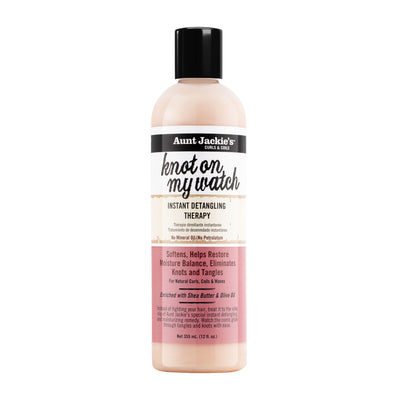
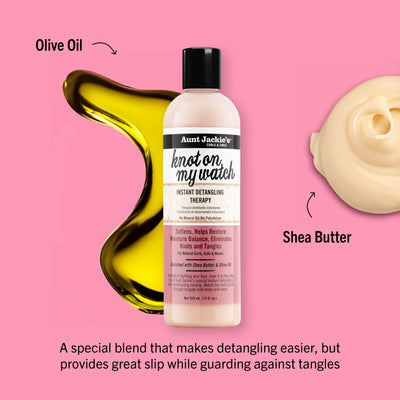
If your curls tend to feel dry or lose definition quickly, using a richer formula such as Aunt Jackie's Knot On My Watch Instant Detangling Therapy can help improve slip, reduce breakage during detangling, and make your styling routine smoother.
This depends on your hair type and scalp condition.
If you have an oily scalp, use leave-in conditioner only on the mid-lengths and ends, not near the roots.
If you have dry hair, you may benefit from using it every time you wash your hair.
Not all leave-in conditioners are the same. Choosing the right formula matters just as much as how you use it.
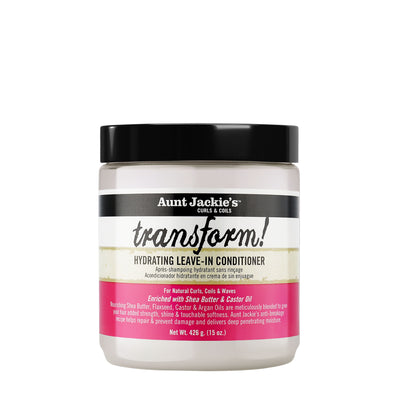
For example, products like Aunt Jackie’s Quench Moisture Intensive Leave-In Conditioner is packed with nourishing ingredients like shea butter and olive oil, making them a great choice for dry & coily hair that needs hydration and softness.
A lot of people confuse the two, but they do different jobs.
In short, you don’t choose one or the other; you often use both.
Even the best product won’t help much if it’s used incorrectly.
Here are the most common mistakes to avoid:
More product doesn’t mean more moisture. It often just means greasy hair.
Too much water can dilute the formula and reduce its effectiveness.
This can make hair look oily or flat, especially for fine hair types.
If the product isn’t spread properly, some areas stay dry while others feel overloaded.
Heavy formulas can weigh down fine hair, while lightweight sprays may not be enough for coarse or curly hair.
Too many creams, oils, and stylers can cause buildup and make hair feel sticky.
Yes. In fact, leave-in conditioner can be especially helpful for color-treated hair because dyed hair often becomes drier and more porous. The benefits of leave-in conditioner for color-treated hair are:
Once you know how to use leave-in conditioner properly, it becomes one of the simplest yet most effective upgrades to your hair routine.
The key is keeping it consistent and intentional:
Whether you’re aiming for softer curls, smoother strands, reduced frizz, or easier styling, a good leave-in conditioner can deliver visible results when used the right way. If your hair has been feeling dry, brtittle, tangled, or difficult to manage, this one small step can truly transform how your hair looks and feels.
For coily and textured hair, especially, choosing the right products makes all the difference. Explore nourishing leave-in conditioners and other coily hair products from Aunt Jackie's, designed to hydrate, define, and keep your coils healthy, soft, and manageable every day.